- Species
Accoya® Radiata Pine – acetylated Pinus Radiata
- Type of timber
Softwood
- Durability
Class 1
- Weight
515 KG/M3
- Hardness
4100 N.
- Origin
New Zealand
- Comments
Clear graded softwood is treated with acetic anhydride (a vinegar) to produce an incredibly stable softwood with a lifespan of 50 years above ground.
- Certification
FSC® C005669
-
Download
Accoya
- Species
Azobe - Lophira alata
- Type of timber
Tropical Hardwood
- Durability
Class 1
- Weight
1065 KG/M3
- Hardness
17000 N Janka
- Origin
West Africa
- Comments
Very dense hardwood with a deep red colour suitable for larger sections which will have a lifespan in excess of 100 years when over 200mm section.
- Certification
FSC® C005669
-
Download
Azobe
- Species
Cumaru - Dipteryx odorata
- Type of timber
Tropical Hardwood
- Durability
Class 1
- Weight
1100 – 1300 KG/M3
- Hardness
15700 N Janka.
- Origin
South America
- Comments
Cumaru is our ‘go to’ hardwood for exterior public as a durable and stable timber with very little tannin staining. Colour can vary from deep red to golden yellow turning grey on weathering.
- Certification
FSC® C005669
-
Download
Cumaru
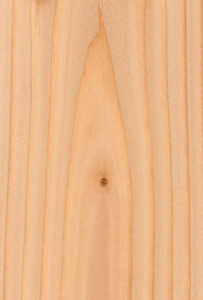
- Species
Douglas Fir- Pseudotsuga Menziesii
- Type of timber
Softwood
- Durability
Class 3
- Weight
530 KG/M3
- Hardness
2760 N.
- Origin
North America
- Comments
Clear graded and stable softwood moderately durable but susceptible to insect attack and will need treatment.
- Certification
FSC® C005669
-
Download
Douglas Fir
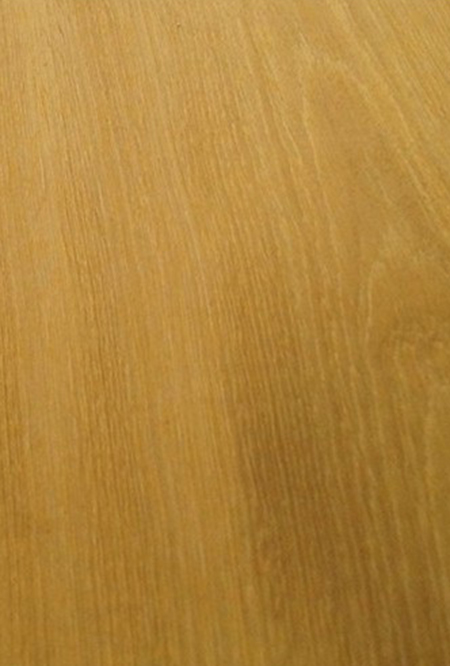
- Species
Guariuba - Clarisia racemose
- Type of timber
Tropical Hardwood
- Durability
Class 1
- Weight
1100 KG/M3
- Hardness
6200 N Janka.
- Origin
South America
- Comments
Very dense hardwood with a golden colour turning grey when weathering
- Certification
FSC® C005669
-
Download
Guariuba
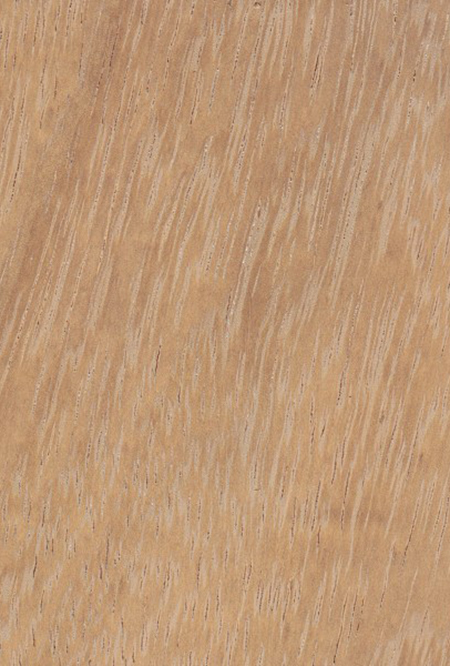
- Species
Iroko – Milicia
- Type of timber
Tropical Hardwood
- Durability
Class 2
- Weight
610 KG/M3
- Hardness
6200 N.
- Origin
South America
- Comments
Very dense hardwood with a golden colour turning grey when weathering
- Certification
FSC® C005669
-
Download
Iroko
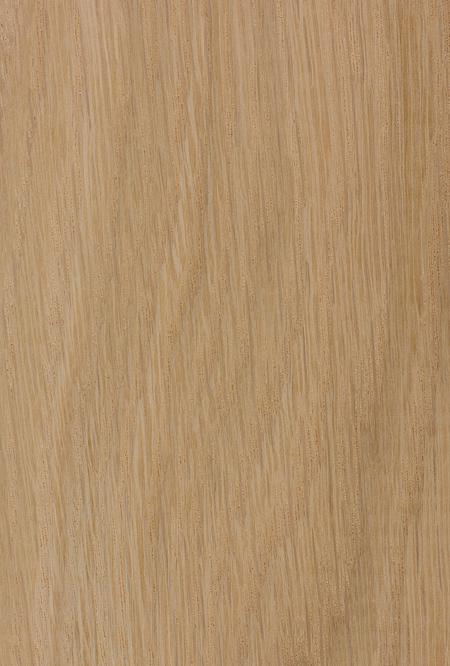
- Species
Oak Quercus alba
- Type of timber
Temperate Hardwood
- Durability
Class 2
- Weight
750 KG/M3
- Hardness
5990 N Janka
- Origin
Northern Europe and USA
- Comments
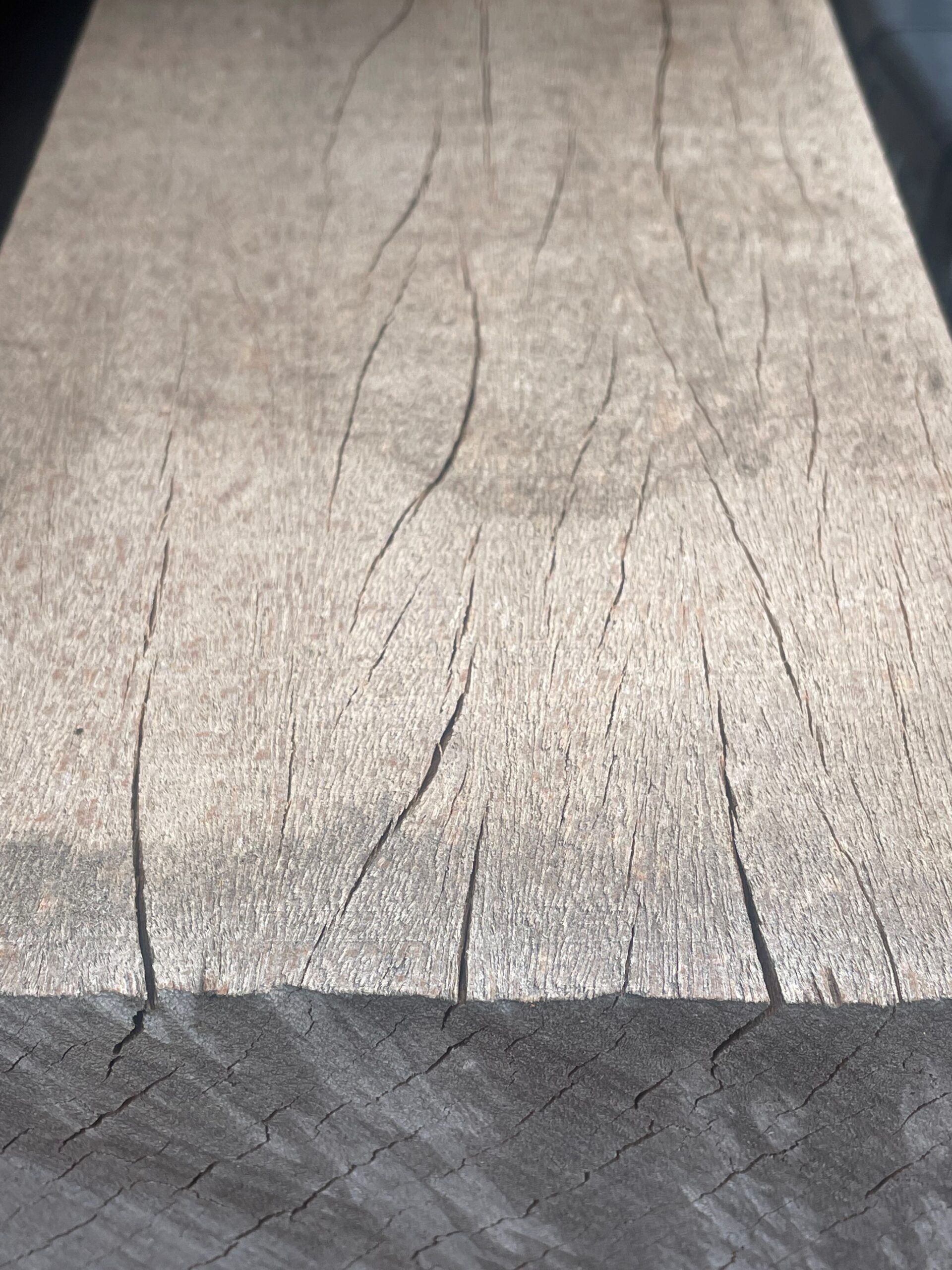
Careful attention to remove sapwood as its prone to rot and attention to control tannin run off in the first 12 months. Larger sections are preferred to increase design life although it must be noted it is prone to shakes (splitting)
- Certification
FSC® C005669
-
Download
Oak
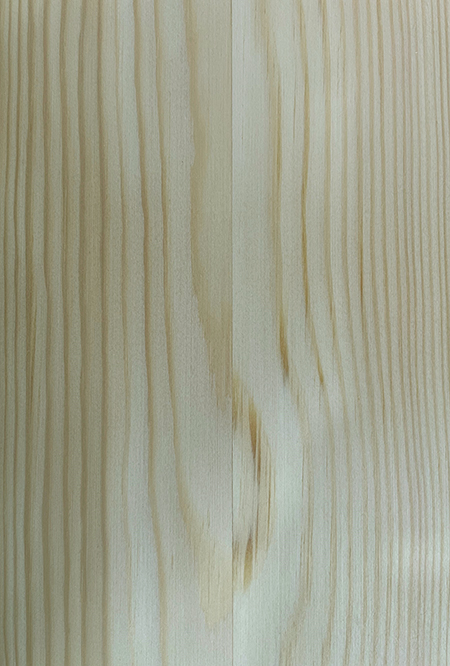
- Species
Redwood Pinus Sylvestris
- Type of timber
Softwood
- Durability
Non-durable
- Weight
530 KG/M3
- Hardness
2760 N
- Origin
North America
- Comments
Clear graded and stable softwood non-durable therefore needs treating after machining
- Certification
FSC® C005669
-
Download
Redwood
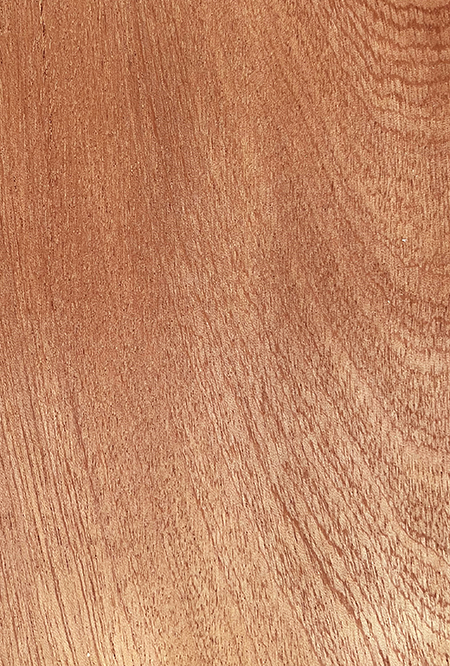
- Species
Sapele - Entandrophragma cylindricum
- Type of timber
Tropical Hardwood
- Durability
Class 3
- Weight
690 KG/M3
- Hardness
6280 N Janka
- Origin
West Africa
- Comments
Very stable tight grained hardwood with consistent red colour.
- Certification
FSC® C005669
-
Download
Sapele
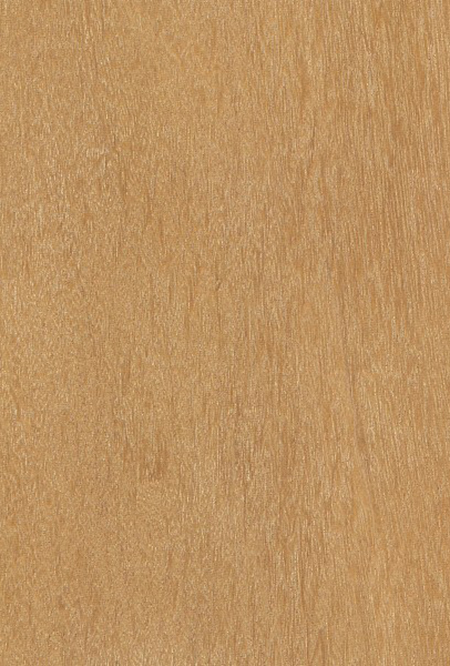
- Species
Tatajuba - Bagassa guianensis
- Type of timber
Tropical Hardwood
- Durability
Class 1
- Weight
1100 – 1200 KG/M3
- Hardness
7700 N Janka
- Origin
South America
- Comments
Tatajuba is another of our preferred timbers for exterior public as a durable and stable timber with very little tannin staining. Colour is usually a golden yellow turning grey on weathering.
- Certification
FSC® C005669
-
Download
Tatajuba
- Species
Western Red Cedar - Thuja Plicata
- Type of timber
Softwood
- Durability
durable
- Weight
390 KG/M3
- Hardness
1560 N
- Origin
North America / Canada
- Comments
Clear graded and stable softwood, durable but suitable for light public use only due to its softness
- Certification
FSC® C005669
-
Download
Western Red Cedar
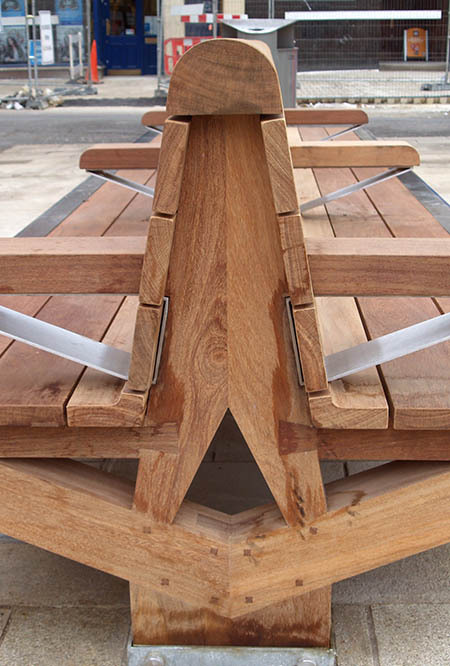
Splits and Stains
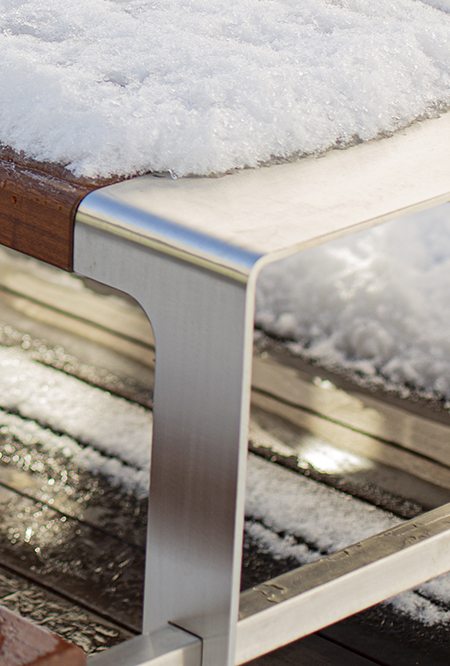
- Durability
Strong durable and resistant to corrosion, suitable for inland application but may develop staining where road salt is used.
- Finishes
may be polished or brushed or powder coated
- Lifespan
50 years
- Maintenance
None
- Recycled
widely
-
Download
Stainless Steel (304)
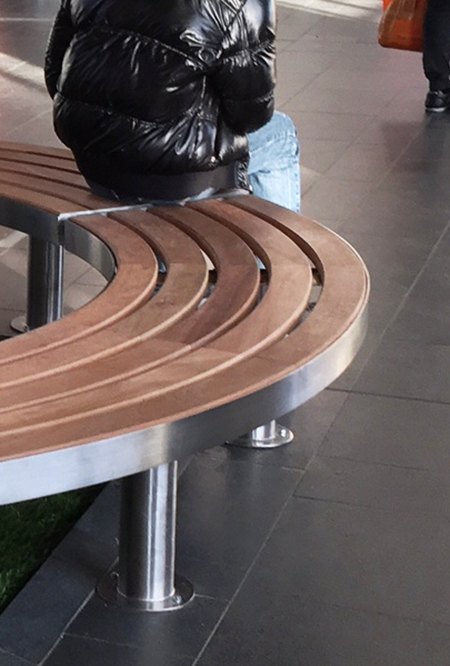
- Durability
Strong durable and resistant to corrosion, suitable for coastal but may develop staining
- Finishes
may be polished or brushed or powder coated, coastal applications will need regular decontamination
- Lifespan
50 years
- Maintenance
None
- Recycled
widely
-
Download
Stainless Steel (316)
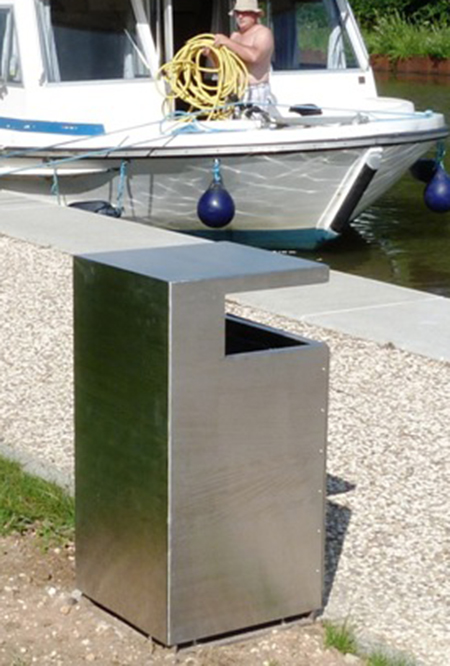
- Durability
Strong durable and resistant to corrosion, suitable for coastal application
- Finishes
may be polished or brushed or powder coated, Lifespan 50 years
- Maintenance
None
- Recycled
widely
-
Download
Stainless Steel (Duplex)
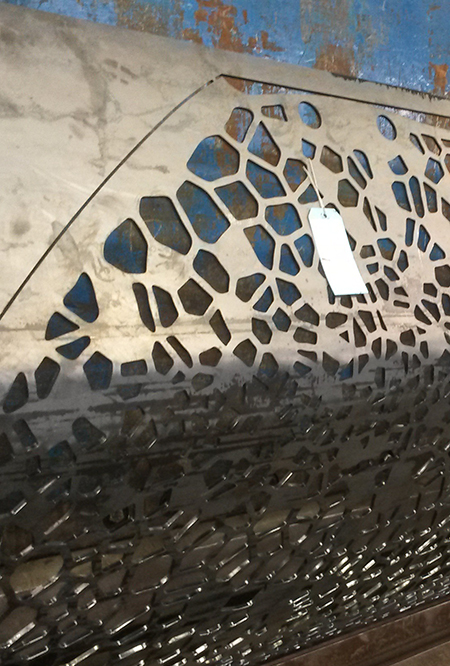
- Durability
Strong and versatile but will need coating to control corrosion
- Finishes
may be galvanised and or powder coated.
- Lifespan
50 years
- Maintenance
dependent upon surface treatment
- Recycled
widely
-
Download
Mild Steel
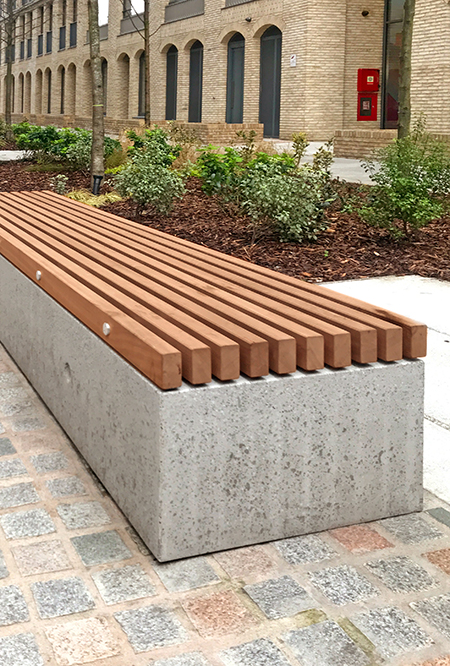
- Durability
strong and durable
- Finishes
Smooth Mould finish, exposed aggregate, and honed finishes available
- Lifespan
100 year
- Maintenance
Occasional cleaning only
- Recycled
widely
-
Download
Precast Concrete
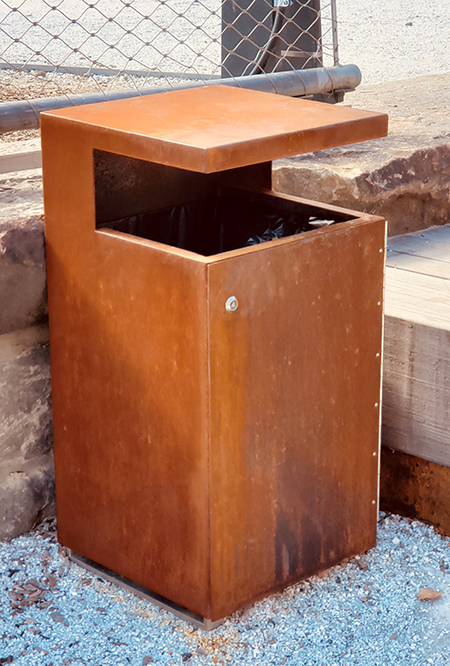
- Durability
Strong and versatile and develops a surface layer of corrosion in 1-3 years
- Finishes
Not required
- Lifespan
50 years
- Maintenance
Not required
- Recycled
widely
-
Download
Weathering or Corten Steel Metals
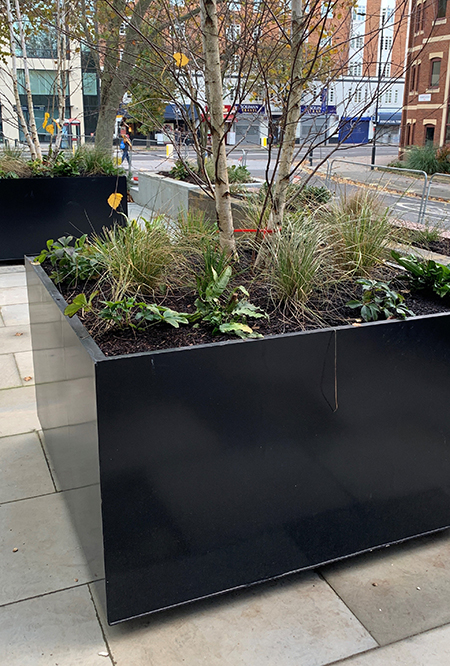
- Durability
Lightweight, strong, and versatile and develops a surface layer of corrosion when untreated
- Finishes
Can be anodised and or powder coated
- Lifespan
30 years
- Maintenance
Not required
- Recycled
widely
-
Download
Sheet Aluminium
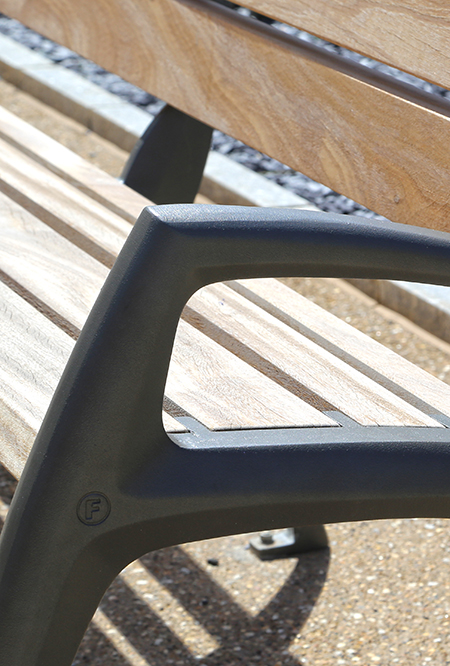
- Durability
Lightweight, strong, and versatile and develops a surface layer of corrosion when untreated
- Finishes
Can be anodised and or powder coated
Lifespan 30 years
- Maintenance
Not required
- Recycled
widely
-
Download
Cast Aluminium (LM25)
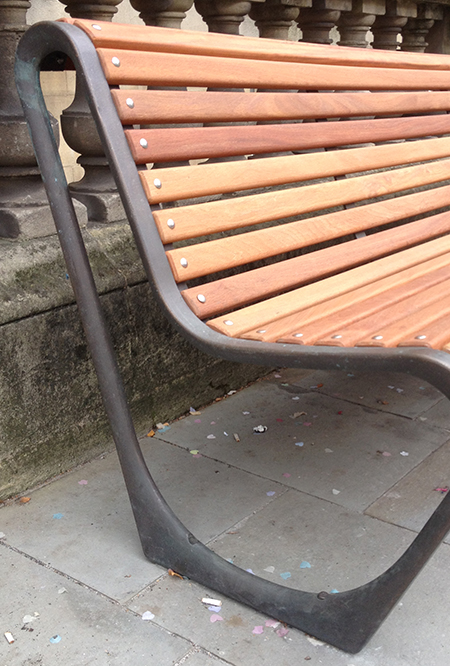
- Durability
Heavy, strong, and versatile and develops a surface layer of corrosion or ‘patina’ when untreated
- Finishes
Patinated or waxed
- Lifespan
100’s years
- Maintenance
Not required
- Recycled
widely
-
Download
Cast Bronze (LG2)
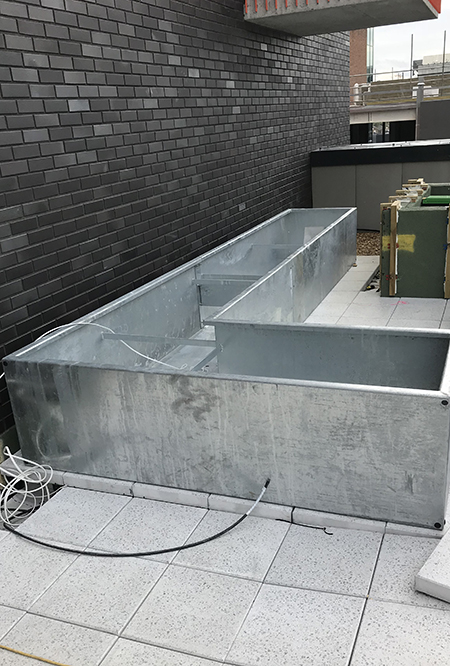
- Method
The component is dipped in a bath of molten zinc at 450°
- Durability
strong and durable
- Lifespan
up to 50 years
- Maintenance
Not
- Recycled
widely
- Comments
This is a rough finish, requiring linishing for public use, careful attention to designing in drain points and design out acid traps
-
Download
Hot Dip Galvanising
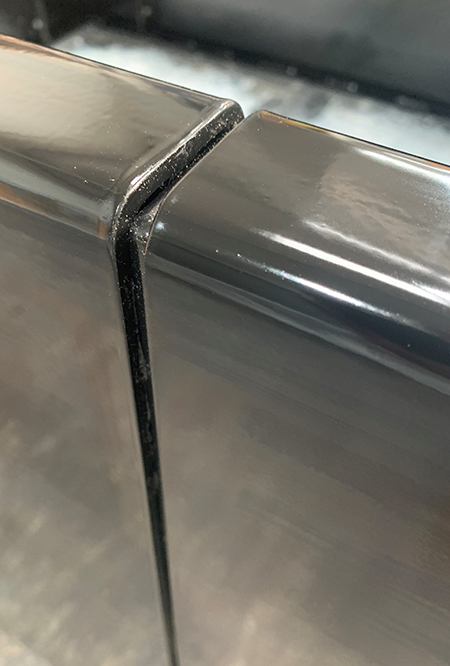
- Method
A thin layer of free-flowing dry plastic powder is applied electrostatically to the surface of a metal element which is then ‘baked’ to cure the plastic into a tough plastic skin
- Durability
moderately durability of 10 years however if damaged it would allow the substrate to corrode if it’s not galvanised
- Maintenance
Not required
- Recycled
No
- Comments
Our powder coating is always a double coat system with a zinc rich primer and a second topcoat
-
Download
Powder Coating
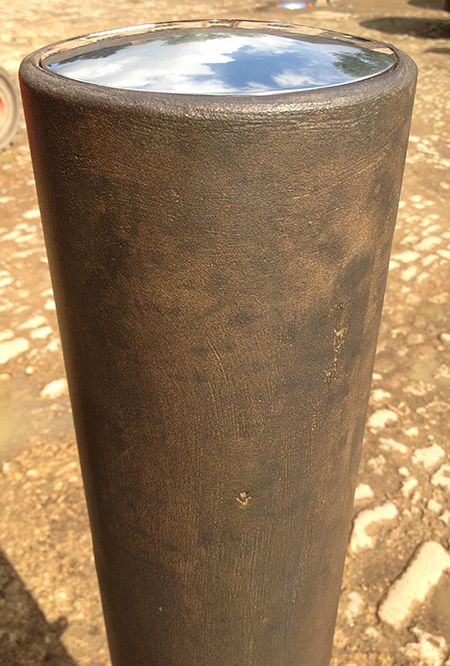
- Method
the component shot cleaned then sprayed with a molten metal spray
- Durability
moderately durable after sealing
- Lifespan
up to 20 years
- Maintenance
Bronze will need waxing annually
- Recycled
widely
- Comments
This is often used as cost saving alternative to casting in casting in bronze
-
Download
Thermal Arc Spray
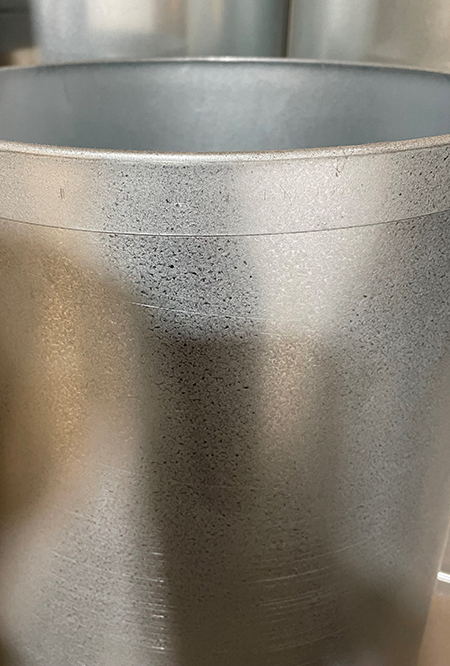
- Method
the component is given an electroplate coat of Zinc
- Durability
moderately durable if also powder coated
- Lifespan
up to 10 years
- Maintenance
Not required
- Recycled
widely
- Comments
This is often used as an alternative to hot dip galvanising as it will give a cleaner finish if powder coating. It does not offer any long-term protection to steel but provides a good base to coat.
-
Download
Zinc Plating or electro galvanising